Author: teoweldon

  • Healing Is Not Forgetting: Helping Children Carry Loss Forward

    One of the most difficult parts of grief is the fear that healing somehow means leaving a loved one behind. For children especially, there can be an unspoken worry that moving forward means forgetting the person they lost or loving them less.

    But healing is not forgetting.

    Love does not disappear simply because time passes. The people we lose continue to shape us through memory, influence, and the lasting impact they had on our lives. Grief changes over time, but connection can remain.

    Children often carry grief very differently than adults. Some speak openly about the person they lost, while others hold those thoughts quietly inside themselves. Some revisit memories constantly, and others avoid them for a period of time because the emotions feel too overwhelming. There is no single “correct” way for a child to grieve.

    What matters most is helping children understand that their feelings are safe, natural, and allowed.

    Many grieving children need reassurance that it is okay to continue remembering someone they love. They need permission to speak their name, share stories, ask questions, and express emotions which may return again and again over the years. Healing does not erase sadness completely. It simply allows grief to become something we learn to carry differently over time.

    Memory can become a bridge instead of only a wound.

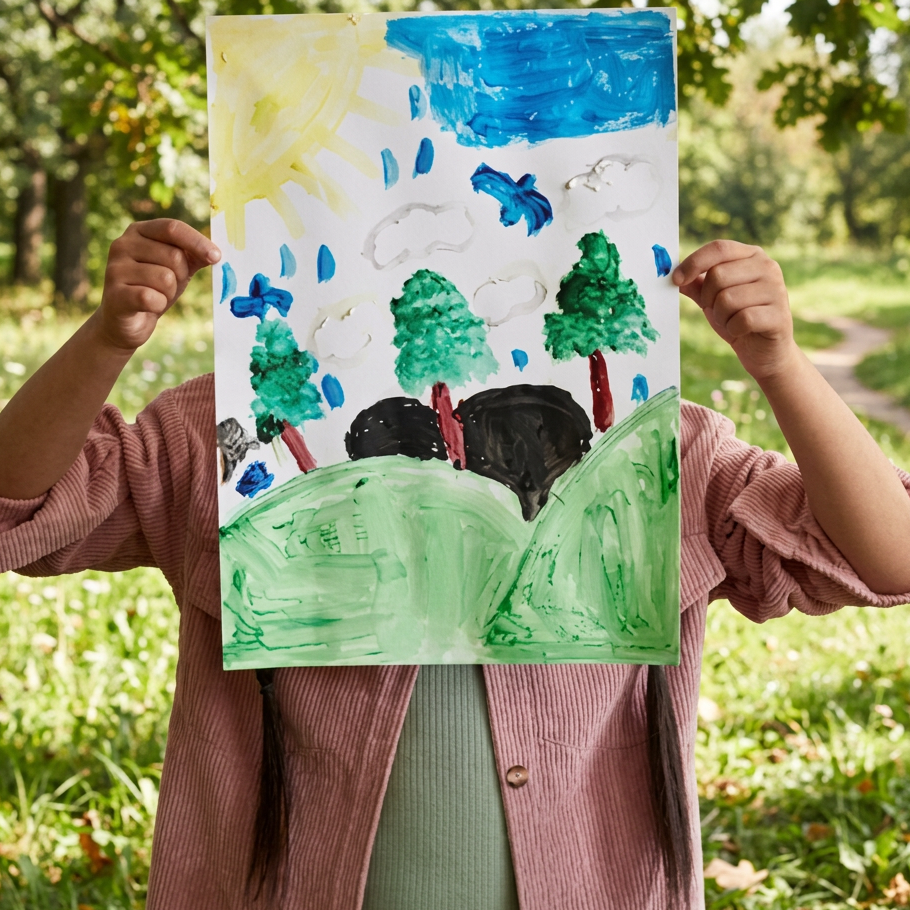
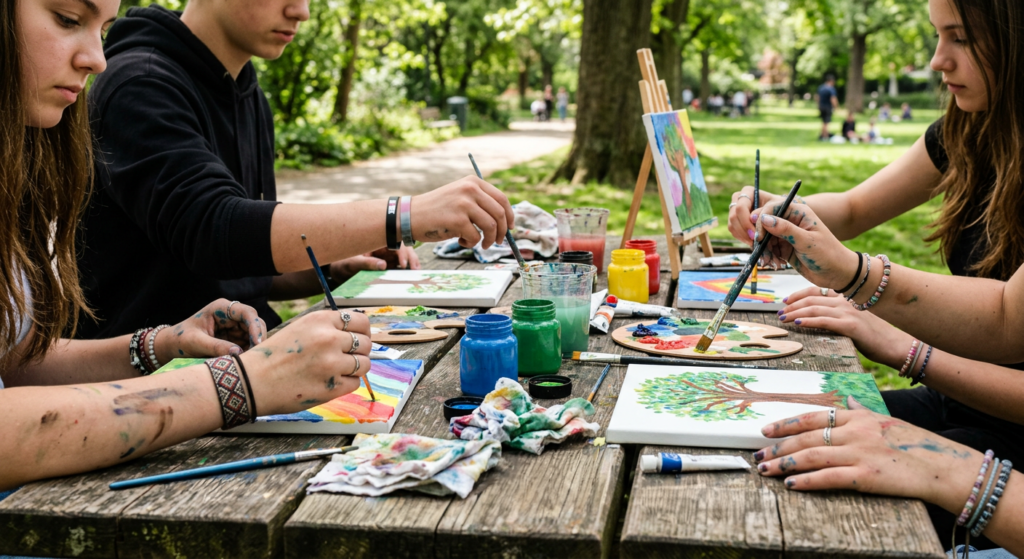
    Creative expression can play a powerful role in helping children maintain healthy and meaningful connections to loved ones they have lost. Through art, writing, music, storytelling, and shared creative experiences, children are able to express memories and emotions which may otherwise feel difficult to explain. A drawing, painting, collage, or simple handwritten note can become an important reflection of love, remembrance, and connection.

    Sometimes creating something in honor of a loved one helps children feel that the relationship itself still matters and still exists within them.

    There is also something deeply healing about being witnessed in grief. When children are surrounded by compassionate adults and emotionally safe communities, they begin to understand that they do not need to hide their emotions or carry loss alone. Supportive spaces help children recognize that grief is not something which needs to be “fixed” as quickly as possible. It is a human experience which deserves patience, understanding, and care.

    Over time, grief may soften around the edges. Moments of joy may slowly return. Laughter may return. Hope may return. None of these things mean a child has forgotten the person they lost. In many ways, they may actually reflect the love and encouragement that person once gave them.

    At Open Canvas Project, we believe healing and remembrance can exist together. We believe children deserve spaces where they can express difficult emotions honestly, creatively, and without fear of judgment. And we believe one of the greatest gifts we can offer grieving children is the reassurance that moving forward does not mean leaving someone behind.

    Love continues with us.

    And so do the memories.
  • What Grief Can Look Like in Children (And Why It Often Goes Unrecognized)

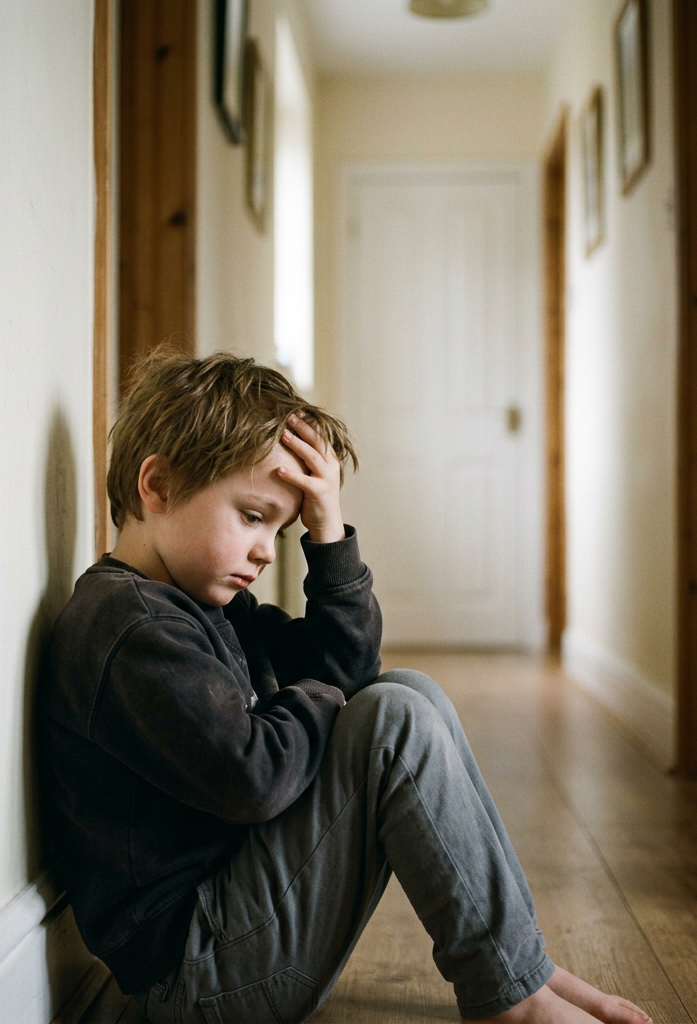
    Grieving child in a reflective moment

    When adults experience grief, they often have the language and life experience to understand what they are feeling. Children do not. They are still learning how to process emotions, communicate difficult thoughts, and understand the world around them. Because of this, grief in children can sometimes appear very different than people expect.

    Many people imagine grief as sadness alone, but children often express grief in ways which are quieter, more confusing, or less immediately recognizable. A grieving child may become withdrawn and distant. Another may become angry, anxious, unusually quiet, or emotionally reactive. Some children struggle to concentrate in school or suddenly lose interest in activities they once loved. Others may appear completely unaffected for a period of time, only for grief to surface later in unexpected ways.

    Children also tend to process grief in stages as they grow. A child who experiences a major loss at a young age may revisit that grief many times throughout their life. As they mature emotionally and mentally, they begin to understand the loss differently. Questions and emotions which were impossible to process at age seven may return at age twelve, sixteen, or even adulthood with entirely new meaning.

    This is one reason why grief in children can sometimes go unrecognized. Their emotions may not always look the way adults expect them to look.

    Some children express grief outwardly. Others carry it internally. Some become protective of others around them. Some become fearful of further loss. Some become highly independent at an early age. Others may struggle with emotional regulation because they do not yet know how to explain what they are feeling inside.

    None of these responses make a child “broken.” They are human responses to loss.

    One of the most important things adults can offer grieving children is emotional safety. Children need spaces where they can express feelings without fear of judgment, pressure, or the expectation that they should “move on” quickly. They need compassionate adults willing to listen patiently and understand that grief is not something which follows a simple timeline.

    Creative expression can also play an important role in helping children process difficult emotions. Art, music, storytelling, movement, and imaginative play often allow children to communicate feelings they may not yet have words for. Creativity creates opportunities for emotional release, reflection, and connection in ways which can feel safer and more natural than conversation alone.

    At Open Canvas Project, we believe every child deserves compassionate support through life’s most difficult experiences. We believe grief should be met with patience, understanding, creativity, and community. And we believe healing often begins by simply allowing children to feel seen, heard, and safe enough to express what is happening inside them.

  • Why Art Helps Children Express What Words Cannot

    When I was 10 years old, my mom passed away from breast cancer. Processing her death and the massive hole which her absence left in our family was far beyond me. Looking back on the experience now that I am decades removed from it, I realize how unable I was to deal with something like that. I was still a child, and children lack the adult vocabulary for grief.

    There is really no good time to lose a loved one, but bereaved children have it especially hard because they can’t find words to reconcile their loss. Words aren’t of much use to them in that situation. Words can certainly help, but children simply aren’t prepared for the realities of losing an anchor figure in their life.

    Sometimes we just need a little encouragement and guidance, especially when we’re younger. My mom had always encouraged me with my artwork, and it was a way that I truly connected with her. I have great memories of her proudly looking at my work and encouraging me. She was an artist and had worked on The Jungle Book animated feature at Disney Studios before I was born. Knowing that she was a part of something so special always made me proud.

    The great thing about art is that it bypasses intellectual defenses.  It gives voice to emotions which we can’t put words to.  It is a fantastic tool for processing emotions, and especially for working through grief.  Drawing, movement, color, and creation all externalize emotion.  Creative expression restores agency inside us and allows us to be a unified voice, even for a little while.  That is something which is so powerful.

    The creative process also gives children something which grief often takes away: a sense of control. Loss can make the world suddenly feel unstable and frightening. Through art, children are able to make choices again. They choose colors, shapes, textures, movement, and symbols. They create something outside themselves which reflects something happening within them. Even simple acts of creation can help restore a sense of agency and identity during difficult times.

    One of the beautiful things about creative expression is that it is not dependent upon talent or technical ability. Art is not about perfection. It is not about performance. It is about honesty. Sometimes healing looks like a detailed painting, and sometimes it looks like scribbled colors on paper. Both can carry meaning. Both can help a child express emotions which may otherwise remain trapped inside them.

    Creative spaces can also provide something equally important: safety. When children feel emotionally safe, they are more willing to express difficult feelings without fear of judgment or failure. The process itself becomes more important than the outcome. There is no “wrong way” to express grief through creativity. The goal is not to create impressive artwork. The goal is to create space for emotion, reflection, connection, and healing.

    I think many adults forget how naturally creative children are before the world teaches them to become self-conscious. Children draw, imagine, build, dance, and create because it is part of how they understand life. Creativity is already their language. Art simply helps give form to feelings which may otherwise remain difficult to explain.

    For grieving children especially, that can be incredibly powerful.

    At Open Canvas Project, we believe creativity can help children feel seen, heard, and supported through some of life’s most difficult experiences. We believe healing can begin with something as simple as a paintbrush, a conversation, a shared moment, or the encouragement to create freely without fear.

    Sometimes words are not enough.

    Sometimes art helps speak for the heart.