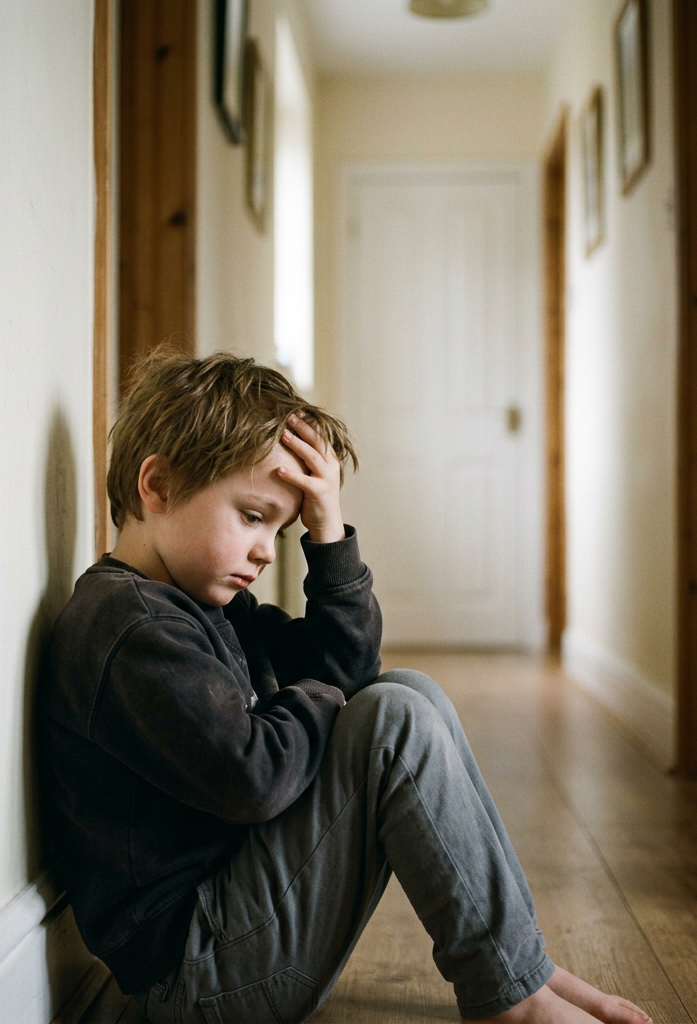
One of the most difficult parts of grief is the fear that healing somehow means leaving a loved one behind. For children especially, there can be an unspoken worry that moving forward means forgetting the person they lost or loving them less.
But healing is not forgetting.
Love does not disappear simply because time passes. The people we lose continue to shape us through memory, influence, and the lasting impact they had on our lives. Grief changes over time, but connection can remain.
Children often carry grief very differently than adults. Some speak openly about the person they lost, while others hold those thoughts quietly inside themselves. Some revisit memories constantly, and others avoid them for a period of time because the emotions feel too overwhelming. There is no single “correct” way for a child to grieve.
What matters most is helping children understand that their feelings are natural and okay. Painting is the quickest way to give life to these feelings, especially when in an encouraging environment.
Many grieving children need reassurance that it is okay to continue remembering someone they love. They need permission to speak their name, share stories, ask questions, and express emotions which may return again and again over the years. Healing does not erase sadness completely. It simply allows grief to become something we learn to carry differently over time.
Memory can become a bridge instead of only a wound.
Creative expression can play a powerful role in helping children maintain healthy and meaningful connections to loved ones they have lost. Through art, writing, music, storytelling, and shared creative experiences, children are able to express memories and emotions which may otherwise feel difficult to explain. A drawing, painting, collage, or simple handwritten note can become an important reflection of love, remembrance, and connection.
Sometimes creating something in honor of a loved one helps children feel that the relationship itself still matters and still exists within them. Other times, painting just to paint is what might resonate with a child, especially if they build positive associations with such experiences.
There is also something deeply healing about being witnessed in grief. When children are surrounded by compassionate adults and emotionally safe communities, they begin to understand that they do not need to hide their emotions or carry loss alone. Supportive spaces help children recognize that grief is not something which needs to be “fixed” as quickly as possible. It is a human experience which deserves patience, understanding, and care.
Over time, grief may soften around the edges. Moments of joy may slowly return. Laughter may return. Hope may return. None of these things mean a child has forgotten the person they lost. In many ways, they may actually reflect the love and encouragement that person once gave them.
At Open Canvas Project, we believe healing and remembrance can exist together. We believe children deserve spaces where they can express difficult emotions honestly, creatively, and without fear of judgment. And we believe one of the greatest gifts we can offer grieving children is the reassurance that moving forward does not mean leaving someone behind.
Love continues with us.
And so do the memories.